
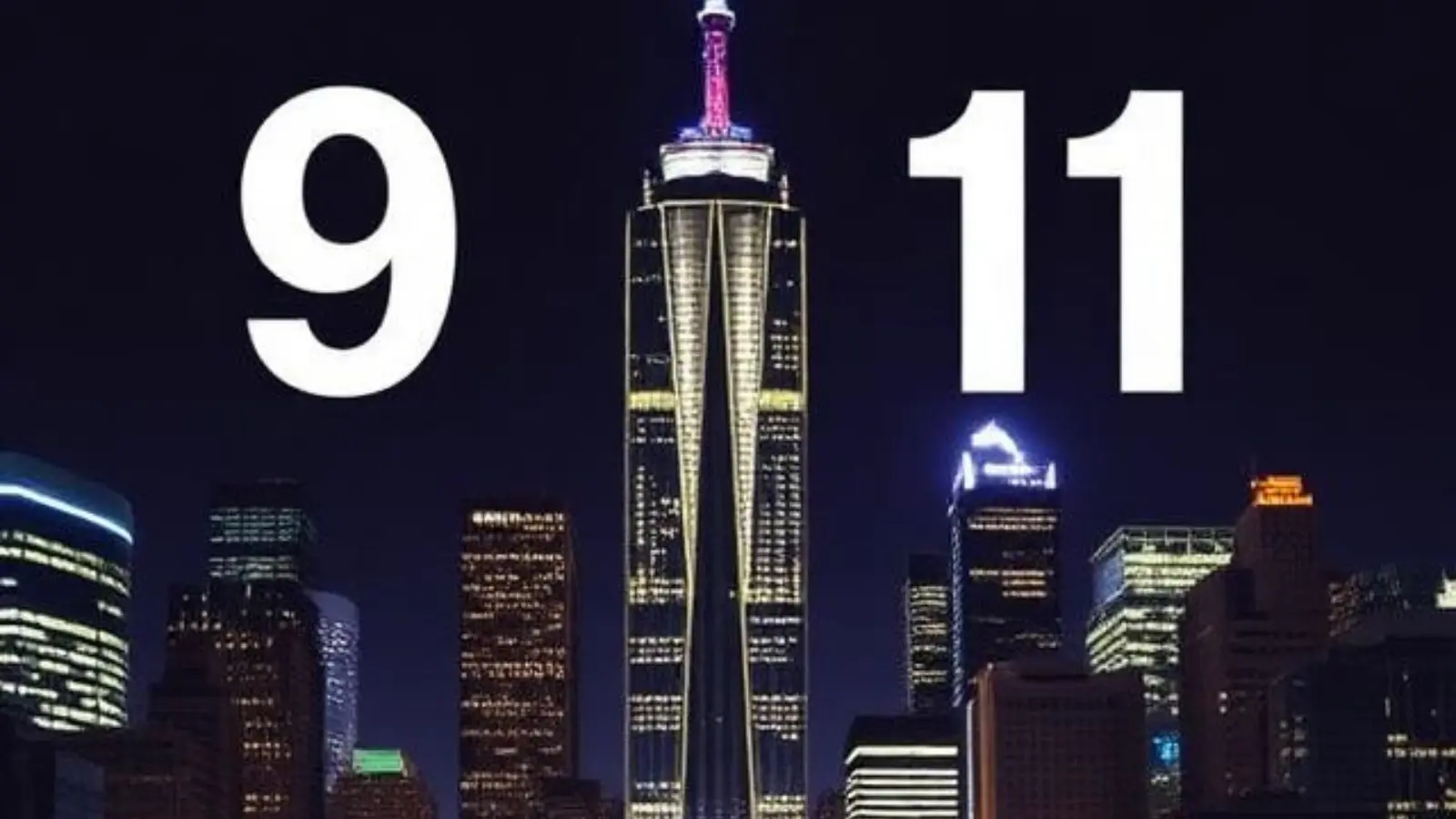
There are some topics that make people giggle nervously before they even speak. Some dates carry emotional weight. Some memories live quietly in the background of culture. And yet, humans have always used humor to process fear, grief, confusion, and even collective trauma.
That’s where jokes about 9 11 become complicated.
Not because laughter is evil. Not because humor is forbidden. But because context, timing, intention, and emotional intelligence matter deeply.
When people search for jokes about sensitive topics, they’re often not looking to mock tragedy. They’re trying to understand dark humor, test social boundaries, or explore how comedy works when the stakes feel high.
This article isn’t about being cruel. It’s about psychology, culture, responsibility, and the mechanics of humor itself. We’ll explore how jokes about 9 11 show up in conversations, what makes them risky, when they cross lines, and how comedians approach heavy subjects with care.
Because humor can heal — but only when handled thoughtfully.
Let’s unpack it together.
1. Why jokes about 9 11 Even Exist in Modern Humor
-
Humans use humor to cope with fear and uncertainty 😅
-
Dark comedy helps people process overwhelming events 🧠
-
Comedy often pushes boundaries to test social norms 🎭
-
Shock value creates attention in crowded media spaces 📱
-
Nervous laughter diffuses tension in awkward conversations 😬
-
Satire critiques systems, not victims, when done responsibly 🖋️
-
Generational distance changes how events are perceived ⏳
-
Internet culture accelerates edgy humor trends 🌐
-
Comedians explore taboo topics to spark dialogue 🎤
-
Humor sometimes masks discomfort or confusion 🤔
-
Shared jokes can create belonging in niche groups 👥
-
Meme culture simplifies complex history into punchlines 🖼️
-
Audiences often seek emotional release through laughter 💨
-
Cultural memory evolves, and so does comedic framing 📚
2. The Psychology Behind jokes about 9 11 and Dark Humor

-
Dark humor activates cognitive reframing mechanisms 🔄
-
Laughter reduces cortisol, the stress hormone 📉
-
Humor builds resilience in stressful environments 💪
-
People laugh when expectations are subverted 🎯
-
Shock humor triggers surprise-based dopamine spikes ⚡
-
Emotional distance influences joke reception 🧊
-
Shared trauma can create collective humor bonds 🤝
-
Humor creates psychological control over fear 🎮
-
Irony helps audiences process uncomfortable truths 🪞
-
The brain enjoys pattern disruption in punchlines 🧩
-
Comedy provides safe emotional rehearsal spaces 🎬
-
Audience maturity affects interpretation deeply 🧓
-
Context shapes whether humor feels healing or harmful 🗺️
-
Empathy determines whether laughter feels safe ❤️
3. When jokes about 9 11 Cross the Line

-
When victims become the punchline ❌
-
When pain is minimized or dismissed 🚫
-
When timing ignores anniversaries or memorial moments 🗓️
-
When intent prioritizes shock over humanity ⚠️
-
When cultural sensitivity is ignored 🌍
-
When jokes reinforce harmful stereotypes 🧱
-
When empathy is completely absent 💔
-
When humor punches down instead of up 👎
-
When audience consent is ignored 🙉
-
When tragedy is trivialized for clicks 📢
-
When grief is treated as entertainment 🎪
-
When historical facts are distorted carelessly 📉
-
When context is stripped away entirely 🧩
-
When laughter leaves people feeling unsafe 😶
4. Wordplay-Driven jokes about 9 11 That Avoid Harm
-
Focus on number confusion, not tragedy 🔢
-
Play with date formatting misunderstandings 📅
-
Joke about emergency number mix-ups 🚑
-
Explore math humor around 9 and 11 ➕
-
Use observational comedy about awkward phrasing 🗣️
-
Highlight autocorrect fails involving “911” 📲
-
Create airport-security satire without targeting victims ✈️
-
Use absurd exaggeration unrelated to loss 🤯
-
Frame humor around media overreaction 📺
-
Keep punchlines abstract, not personal 🎈
-
Avoid referencing real individuals entirely 🚷
-
Emphasize confusion, not catastrophe 🤷
-
Keep tone light, not cynical 🌤️
-
Test jokes privately before public sharing 🧪
5. Gentle, Situational jokes about 9 11 in Conversation
-
Acknowledge sensitivity before attempting humor 🙏
-
Read the room carefully 👀
-
Use self-deprecating humor instead 🎭
-
Shift tone if someone looks uncomfortable 😕
-
Avoid public platforms for risky material 📵
-
Focus on generational misunderstanding themes 🧑🎓
-
Avoid anniversaries or memorial dates 🕯️
-
Keep delivery calm, not sarcastic 🎙️
-
Never force laughter 😐
-
Respect silence as feedback 🤫
-
Offer context before punchlines 📖
-
Keep jokes short and non-specific ✂️
-
Avoid graphic imagery references 🚫
-
Apologize quickly if misjudged 🤍
6. Internet Culture and jokes about 9 11 Trends
-
Meme cycles shorten emotional processing time ⏩
-
Edgy humor spreads faster online 🚀
-
Anonymity increases risk-taking behavior 🕶️
-
Algorithms reward shock content 📊
-
Viral humor often lacks nuance 🌊
-
Younger audiences perceive distance differently 👶
-
Screenshot culture removes original context 📸
-
Global audiences interpret humor uniquely 🌎
-
Reaction videos amplify controversy 🎥
-
Satirical accounts blur lines of intent 🌀
-
Cancel culture influences comedic choices ⚖️
-
Comment sections reshape joke perception 💬
-
Digital permanence raises reputational stakes 🗂️
-
Responsible creators balance reach and empathy ⚖️
7. Crafting Respectful jokes about 9 11 as a Writer
-
Clarify your comedic intention first ✍️
-
Ask who benefits from the joke 🤔
-
Remove references to real victims 🚫
-
Avoid targeting specific communities 🛑
-
Keep humor conceptual, not literal 💡
-
Test material with diverse audiences 🧑🤝🧑
-
Research historical context responsibly 📚
-
Use satire toward systems, not suffering 🏛️
-
Maintain emotional intelligence throughout ❤️
-
Edit out unnecessary shock elements ✂️
-
Replace cruelty with cleverness 🧠
-
Prioritize humanity over virality 🌱
-
Avoid sensational phrasing 🔕
-
Be ready to take accountability 🤲
8. Audience Awareness in jokes about 9 11
-
Know your audience demographics 📊
-
Consider generational proximity to events ⏳
-
Respect cultural backgrounds 🌍
-
Avoid corporate settings entirely 🏢
-
Understand trauma triggers 🧠
-
Gauge emotional tone of the moment 🎚️
-
Avoid mixed-age gatherings 👪
-
Watch body language closely 👁️
-
Provide exit space in conversations 🚪
-
Never assume shared humor boundaries 🤷♀️
-
Adjust tone based on feedback 🔄
-
Remember public spaces magnify impact 📣
-
Avoid power-imbalanced situations ⚖️
-
Value relationships over punchlines 💕
9. Timing Matters With jokes about 9 11
-
Avoid memorial periods entirely 🕯️
-
Skip anniversaries and remembrance days 📅
-
Consider global news climate 🌎
-
Avoid fresh related tragedies 🚨
-
Gauge emotional energy in the room ⚡
-
Understand cultural cycles of sensitivity 🔁
-
Never interrupt serious discussions 😶
-
Don’t use tragedy for transitions 🎬
-
Avoid spontaneous shock attempts 🎯
-
Consider long-term brand reputation 🏷️
-
Respect private grief timelines 🧎
-
Don’t test humor in high-stress moments 😓
-
Choose settings carefully 🎤
-
When unsure, stay silent 🤍
10. Safer Alternatives to Edgy jokes about 9 11
-
Use historical satire broadly 📖
-
Focus on political parody instead 🏛️
-
Create absurd hypothetical scenarios 🤹
-
Lean into workplace humor 💼
-
Explore generational tech jokes 📱
-
Use travel mishap comedy ✈️
-
Try observational everyday humor 🏡
-
Embrace self-deprecating storytelling 🎤
-
Play with language misunderstandings 🗣️
-
Explore number-based puns safely 🔢
-
Use pop culture satire 🎬
-
Build situational awkwardness humor 😅
-
Highlight human quirks gently 😊
-
Choose joy over shock 💛
11. Writing Tips for Thoughtful jokes about 9 11
-
Start with empathy, always ❤️
-
Write multiple drafts 📝
-
Remove aggressive language 🛑
-
Avoid direct references to violence 🚫
-
Focus on structure, not shock 🧱
-
Shorten punchlines for clarity ✂️
-
Use irony sparingly 🪞
-
Test rhythm aloud 🎙️
-
Watch for unintended meanings 👀
-
Replace harshness with wit 🧠
-
Remove names and real locations 🗺️
-
Stay calm in tone 🌿
-
Invite feedback before publishing 💬
-
Accept revision as growth 🌱
12. Social Media Strategy for jokes about 9 11
-
Avoid algorithm-chasing behavior 📊
-
Disable auto-post scheduling on sensitive dates 📅
-
Use disclaimers thoughtfully ⚠️
-
Monitor comment sentiment closely 💬
-
Respond with empathy, not defensiveness 🤝
-
Archive risky content if necessary 📂
-
Avoid trending hashtags around tragedy 🔕
-
Understand platform-specific audience tone 📱
-
Never monetize sensitive humor 💰
-
Watch analytics for negative spikes 📉
-
Protect your brand voice consistently 🎨
-
Separate satire from sarcasm clearly 🧭
-
Avoid impulsive late-night posting 🌙
-
Prioritize long-term trust 💖
13. Healing Through Carefully Framed jokes about 9 11
-
Humor can support emotional resilience 🌈
-
Shared laughter can reduce isolation 🤝
-
Gentle irony can create reflection 🪞
-
Humor helps process collective memory 🧠
-
Safe jokes build connection, not division 💞
-
Comedy opens dialogue gently 🗣️
-
Laughter releases tension stored in the body 💨
-
Responsible humor honors humanity 🌷
-
Lightness can coexist with respect ⚖️
-
Storytelling reframes difficult topics 📖
-
Empathy-centered comedy fosters healing 🌿
-
Humor can humanize complex history 🕊️
-
Shared smiles rebuild emotional safety 😊
-
Respect makes laughter sustainable ❤️
14. The Future of jokes about 9 11 in Comedy
-
Comedy is evolving toward sensitivity 🌍
-
Audiences value emotional intelligence 🧠
-
Empathy-driven humor gains trust 💛
-
Cultural literacy shapes modern punchlines 📚
-
Shock-only comedy is declining 📉
-
Nuanced satire earns longevity 🎭
-
Global audiences demand responsibility 🌎
-
Younger creators prioritize inclusivity 🌱
-
Thoughtful humor builds loyal communities 👥
-
Context-aware jokes perform better 📊
-
Respect enhances creative credibility 🏆
-
Ethical comedy strengthens careers 🎤
-
Accountability is now expected 🔍
-
Compassion will define lasting humor ❤️
FAQ: jokes about 9 11 and Sensitive Humor
1. Why do people search for jokes about 9 11?
Many searches stem from curiosity about dark humor psychology rather than cruelty. People often want to understand how comedians approach taboo topics, why some jokes feel shocking, or how humor intersects with collective memory. In digital culture, controversial topics generate intrigue. However, the intent behind searching doesn’t always equal malicious intent. Often, users are researching comedy boundaries, cultural shifts, or social reactions rather than seeking to mock tragedy.
2. Is it ever appropriate to tell jokes about sensitive historical events?
Appropriateness depends on context, timing, audience, and intent. Humor that targets systems, media narratives, or human awkwardness — without mocking victims — is generally received more thoughtfully. Public settings, anniversaries, and grief-heavy moments are never ideal. Emotional intelligence is essential. If a joke reduces harm, promotes understanding, and avoids minimizing suffering, it may be considered satire rather than cruelty.
3. Why does dark humor sometimes feel funny and uncomfortable at the same time?
Dark humor creates cognitive dissonance. The brain processes surprise while emotions register seriousness. This tension can trigger nervous laughter. The discomfort comes from social conditioning around respect and empathy. When humor touches painful subjects, the brain balances shock with moral awareness. That’s why delivery, framing, and tone significantly influence whether laughter feels safe or inappropriate.
4. How can comedians approach heavy topics responsibly?
Responsible comedians research deeply, avoid targeting victims, and frame humor toward broader systems or human behavior. They read audiences carefully and adjust tone when necessary. Many test material privately before public performances. Accountability matters. If a joke harms, acknowledgment and revision demonstrate professionalism and emotional maturity.
5. What makes a joke cross from satire into insensitivity?
A joke becomes insensitive when it trivializes suffering, reinforces stereotypes, or prioritizes shock over humanity. Satire critiques power structures. Insensitivity targets pain. The difference lies in empathy. If laughter comes at the expense of those who suffered, the line has likely been crossed.
6. How does generational distance impact reactions to sensitive humor?
People who directly experienced an event may react more strongly than those born later. Emotional proximity shapes perception. Younger audiences sometimes interpret history through memes rather than memory. This generational gap explains differing reactions to similar jokes. Sensitivity grows from understanding lived experience.
7. Can humor actually help with healing?
Yes, when handled gently. Humor reduces stress hormones and builds connection. Shared laughter can foster resilience. However, healing humor never dismisses pain. It acknowledges it while offering lightness. The balance is delicate but powerful.
8. What’s the safest way to explore edgy humor topics?
Focus on abstract concepts, number-based wordplay, or social awkwardness rather than tragedy itself. Avoid real names, real victims, or graphic references. Test material privately. When in doubt, choose empathy over edginess.
Final Thoughts
jokes about 9 11 sit at a complicated intersection of comedy, memory, psychology, and responsibility. Humor is deeply human. It helps us survive discomfort, process history, and connect with each other. But compassion must guide creativity.
The most powerful laughter never erases pain — it honors humanity while gently inviting light back into the room.
That’s the difference between shock… and wisdom.

Jack LOLson is passionate about crafting hilarious jokes, memes, and fun stories for comedy lovers.