
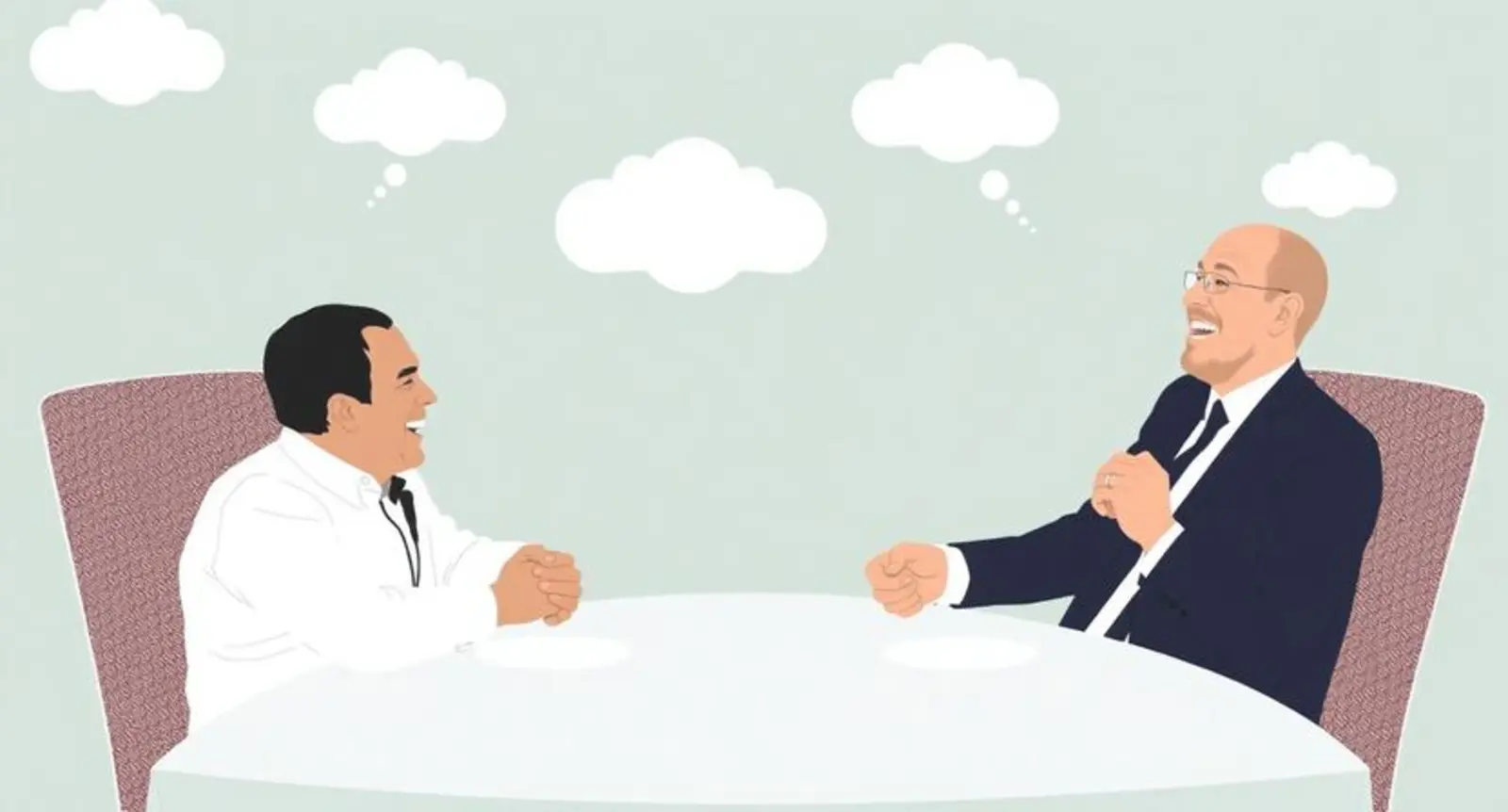
It started at a dinner table.
One person told a joke. Everyone laughed.
Five minutes later, someone else told “almost the same” joke… and the room went quiet.
Awkward.
That tiny moment reveals something fascinating: not all jokes are the same, and even small differences in timing, structure, psychology, and delivery can completely change the outcome.
So if you’ve ever wondered:
-
Why do some jokes explode with laughter while others flop?
-
Why do dad jokes feel different from dark humor?
-
Why does sarcasm hit differently than irony?
-
And truly… what’s the difference between jokes?
You’re about to get the full picture.
This isn’t just about punchlines. It’s about human psychology, emotional triggers, context, intelligence, and social bonding. By the end of this deep dive, you won’t just understand humor—you’ll feel it differently.
Let’s unwrap the layers.
1. What’s the Difference Between Jokes in Structure and Setup?
-
😂 Some jokes follow a classic setup + punchline structure, while others rely on storytelling tension.
-
🧠 One-liners are compact and fast; longer jokes build anticipation before releasing laughter.
-
🎭 Observational jokes depend on shared experiences, while absurd jokes create surreal imagery.
-
⏳ Timing changes everything—pause too long, and the humor fades.
-
🔄 Some jokes use misdirection; others use exaggeration.
-
🎯 A pun focuses on wordplay, but a situational joke leans on context.
-
📖 Narrative jokes unfold like mini-stories with character development.
-
⚡ Shock humor breaks expectations instantly.
-
🎵 Rhythm and pacing often determine comedic impact.
-
🪞 Self-deprecating jokes revolve around vulnerability.
-
🧩 Clever jokes demand mental processing.
-
🤯 Anti-jokes deliberately avoid traditional punchlines.
-
📐 Formulaic jokes are predictable but comforting.
-
🎇 Improvised jokes depend on spontaneity and audience feedback.
2. What’s the Difference Between Jokes in Tone and Emotional Impact?
-
💖 Light humor feels warm and inclusive.
-
🌑 Dark humor touches uncomfortable truths.
-
🥰 Playful teasing strengthens bonds.
-
🥶 Sarcasm can feel sharp or affectionate.
-
😇 Innocent jokes create safe laughter.
-
😈 Edgy jokes push social boundaries.
-
🌈 Wholesome humor uplifts.
-
💥 Aggressive humor risks alienation.
-
😅 Awkward humor builds relatability.
-
🤍 Gentle irony feels intelligent.
-
🔥 Satire critiques systems and culture.
-
😭 Tragic humor mixes sadness and laughter.
-
💃 Flirty jokes create romantic tension.
-
🪶 Dry humor delivers subtle emotional shifts.
3. What’s the Difference Between Jokes in Cultural Context?
-
🌍 Humor varies by country and social norms.
-
🗣 Language-based jokes don’t always translate.
-
📺 Pop culture references age quickly.
-
🎓 Educational background influences comprehension.
-
🏡 Family traditions shape humor styles.
-
⛪ Religious context changes boundaries.
-
💼 Workplace humor differs from friend-group humor.
-
📱 Internet memes evolve rapidly.
-
🎉 Generational humor shifts every decade.
-
👑 Political jokes depend on climate.
-
🎭 Regional dialect influences punchlines.
-
🌸 Gender norms influence interpretation.
-
🧑🤝🧑 Subcultures create inside jokes.
-
📚 Historical events reshape comedic sensitivity.
4. What’s the Difference Between Jokes and Puns?
-
🧠 Puns rely on homophones.
-
🔤 Wordplay is linguistic gymnastics.
-
🤭 Puns make you groan and smile.
-
📖 Jokes can exist without word tricks.
-
🎯 Puns focus on language ambiguity.
-
😂 Jokes often tell a mini-story.
-
🪄 Puns surprise through vocabulary shifts.
-
🧩 Jokes rely on situational contrast.
-
📢 Puns are short and sharp.
-
🎨 Jokes vary widely in format.
-
🤔 Puns reward quick thinkers.
-
💡 Jokes can rely on emotion.
-
🪶 Puns feel clever.
-
🥳 Jokes can feel dramatic or theatrical.
5. What’s the Difference Between Jokes and Humor?
-
💬 A joke is structured; humor is broader.
-
🌞 Humor can be spontaneous.
-
🎭 Humor exists in behavior, not just words.
-
🧠 Jokes are deliberate constructions.
-
🎬 Physical comedy creates humor without jokes.
-
🤗 Humor builds social bonding.
-
🎤 Stand-up relies heavily on jokes.
-
🪞 Situational irony creates humor naturally.
-
🌸 Humor softens tension.
-
📚 Jokes can be scripted.
-
💞 Humor can be a personality trait.
-
⚖️ Humor regulates stress.
-
🔥 Jokes aim for a laugh.
-
💡 Humor aims for connection.
6. What’s the Difference Between Jokes and Sarcasm?
-
🥶 Sarcasm often hides criticism.
-
😄 Jokes aim to entertain.
-
🎯 Sarcasm may require tone recognition.
-
📢 Jokes are clearer in intent.
-
🪞 Sarcasm uses verbal irony.
-
💬 Jokes don’t always target someone.
-
🧠 Sarcasm requires contextual awareness.
-
🤝 Jokes can unify groups.
-
🔥 Sarcasm may sting.
-
🎭 Jokes often feel lighter.
-
💡 Sarcasm implies opposite meaning.
-
🎉 Jokes imply surprise.
-
🪶 Sarcasm feels subtle.
-
🥰 Jokes feel playful.
7. What’s the Difference Between Jokes and Riddles?
-
🧩 Riddles require problem-solving.
-
😂 Jokes aim for immediate laughter.
-
🔍 Riddles delay resolution.
-
🎯 Jokes deliver punchlines.
-
📖 Riddles feel mysterious.
-
⚡ Jokes feel punchy.
-
🧠 Riddles engage logic.
-
😆 Jokes engage surprise.
-
⏳ Riddles build suspense.
-
🎭 Jokes build contrast.
-
🤓 Riddles feel intellectual.
-
🎉 Jokes feel social.
-
🪞 Riddles test knowledge.
-
💬 Jokes test timing.
8. What’s the Difference Between Jokes and Pranks?
-
🎈 Pranks involve action.
-
🗣 Jokes rely on language.
-
😅 Pranks create physical surprise.
-
😂 Jokes create mental surprise.
-
🧠 Pranks need planning.
-
📖 Jokes need structure.
-
😬 Pranks can embarrass.
-
🤗 Jokes can comfort.
-
⏳ Pranks unfold in real time.
-
⚡ Jokes are immediate.
-
🎭 Pranks require participants.
-
🎤 Jokes require listeners.
-
🔄 Pranks risk backlash.
-
🥰 Jokes risk silence.
9. What’s the Difference Between Jokes and Satire?
-
🏛 Satire critiques power.
-
😂 Jokes may avoid politics.
-
📜 Satire exposes hypocrisy.
-
🎯 Jokes focus on laughter.
-
🔥 Satire can be sharp.
-
🪶 Jokes can be light.
-
📺 Satire appears in media.
-
🎤 Jokes thrive in stand-up.
-
🧠 Satire demands awareness.
-
😄 Jokes demand timing.
-
🗳 Satire influences opinion.
-
🤗 Jokes influence mood.
-
🌍 Satire reflects society.
-
💬 Jokes reflect daily life.
10. What’s the Difference Between Jokes and Irony?
-
🔄 Irony is contrast.
-
🎭 Jokes highlight that contrast.
-
💬 Irony can exist silently.
-
😂 Jokes are spoken or written.
-
🧠 Irony requires perception.
-
⚡ Jokes require delivery.
-
📖 Irony lives in circumstance.
-
🎯 Jokes aim for response.
-
😅 Irony may go unnoticed.
-
🤭 Jokes seek attention.
-
🪞 Irony mirrors reality.
-
🎉 Jokes exaggerate reality.
-
💡 Irony is subtle.
-
💥 Jokes can be bold.
11. What’s the Difference Between Jokes in Intelligence Levels?
-
🤓 Highbrow jokes require knowledge.
-
😄 Simple jokes require timing.
-
🧠 Wordplay engages cognitive processing.
-
🎯 Slapstick requires no explanation.
-
📚 Academic humor references theory.
-
🎈 Physical humor uses movement.
-
🔍 Nuanced humor rewards attentiveness.
-
⚡ Quick humor rewards wit.
-
🎭 Satirical humor demands awareness.
-
🥳 Silly humor invites relaxation.
-
💬 Clever jokes feel exclusive.
-
🤗 Basic jokes feel inclusive.
-
🧩 Complex jokes unfold slowly.
-
🎉 Light jokes hit fast.
12. What’s the Difference Between Jokes Across Generations?
-
📺 Boomers enjoy traditional punchlines.
-
📱 Gen Z loves meme humor.
-
🎤 Millennials thrive on self-deprecation.
-
🎮 Gen Alpha blends digital culture.
-
🗞 Older humor references newspapers.
-
🧵 Younger humor references TikTok trends.
-
🎬 Classic jokes use sitcom timing.
-
📸 Modern jokes use visual irony.
-
💬 Slang evolves rapidly.
-
🔄 References change yearly.
-
🧠 Shared nostalgia shapes humor.
-
🎵 Music culture influences jokes.
-
🪞 Each generation mocks itself.
-
❤️ Laughter remains universal.
13. What’s the Difference Between Jokes in Social Bonding?
-
🤝 Inside jokes build intimacy.
-
💞 Romantic teasing creates closeness.
-
👯 Group humor strengthens identity.
-
🏡 Family jokes preserve memories.
-
🧠 Shared humor signals compatibility.
-
🎉 Party jokes energize crowds.
-
💬 Workplace humor builds rapport.
-
🪞 Self-humor shows confidence.
-
🌸 Gentle humor shows empathy.
-
🔥 Bold humor tests trust.
-
🎭 Humor reveals personality.
-
😅 Awkward jokes create vulnerability.
-
🤗 Laughing together builds safety.
-
❤️ Humor deepens connection.
14. What’s the Difference Between Jokes in Psychological Triggers?
-
🧠 Surprise activates dopamine.
-
😂 Incongruity sparks laughter.
-
💥 Relief releases tension.
-
😅 Nervous laughter reduces stress.
-
🪞 Superiority humor boosts ego.
-
🤝 Shared laughter builds oxytocin.
-
🎭 Cognitive shift creates delight.
-
🔄 Pattern break triggers humor.
-
😇 Innocent humor creates comfort.
-
🔥 Edgy humor triggers adrenaline.
-
💡 Insightful humor creates aha moments.
-
🧩 Puzzle humor engages thinking.
-
🥰 Affectionate humor builds warmth.
-
🌈 Inclusive humor fosters belonging.
Frequently Asked Questions
1. What’s the difference between jokes and humor in everyday conversation?
A joke is a structured comedic statement designed to produce laughter through setup and punchline. Humor, however, is broader. It includes tone, facial expression, timing, irony, and even body language. You can have humor without telling a joke—like playful banter or situational irony. Jokes are crafted; humor is lived.
2. What’s the difference between dark jokes and offensive jokes?
Dark jokes explore uncomfortable topics like death or tragedy but often rely on cleverness and context. Offensive jokes, on the other hand, target vulnerable groups or sensitive issues without emotional intelligence. The difference lies in intention, delivery, and audience awareness.
3. What’s the difference between sarcasm and jokes?
Sarcasm usually involves saying the opposite of what you mean, often with a sharp tone. Jokes aim primarily for laughter and shared enjoyment. Sarcasm can sting; jokes typically connect.
4. What’s the difference between dad jokes and regular jokes?
Dad jokes rely heavily on simple puns, predictable punchlines, and wholesome awkwardness. Regular jokes vary widely in format and sophistication. Dad jokes are intentionally cheesy—and that’s their charm.
5. Why do some jokes fail while others succeed?
Timing, audience awareness, emotional tone, cultural relevance, and delivery determine success. Even a brilliant joke can flop if told at the wrong moment.
6. Are riddles considered jokes?
Riddles are puzzles meant to challenge thinking. While they can be funny, their primary goal is mental engagement, not laughter.
7. What’s the psychological reason we laugh at jokes?
Laughter often comes from surprise, incongruity, or tension release. When expectations are broken safely, the brain rewards us with a dopamine hit.
8. What’s the difference between satire and jokes?
Satire critiques society, politics, or institutions using humor as a tool. Jokes may simply aim for entertainment without deeper commentary.
Final Thoughts: So… What’s the Difference Between Jokes?
The difference between jokes isn’t just in words—it’s in psychology, structure, culture, emotion, and connection.
Some jokes comfort.
Some challenge.
Some flirt.
Some provoke thought.
But at their core, jokes are tiny bridges between people.
And once you truly understand what’s the difference between jokes, you don’t just laugh more—you connect more deeply, speak more wisely, and maybe… tell better jokes at your next dinner party.
And darling, that’s powerful.

Max Punster is known for clever puns, witty captions, and laughter-filled articles.